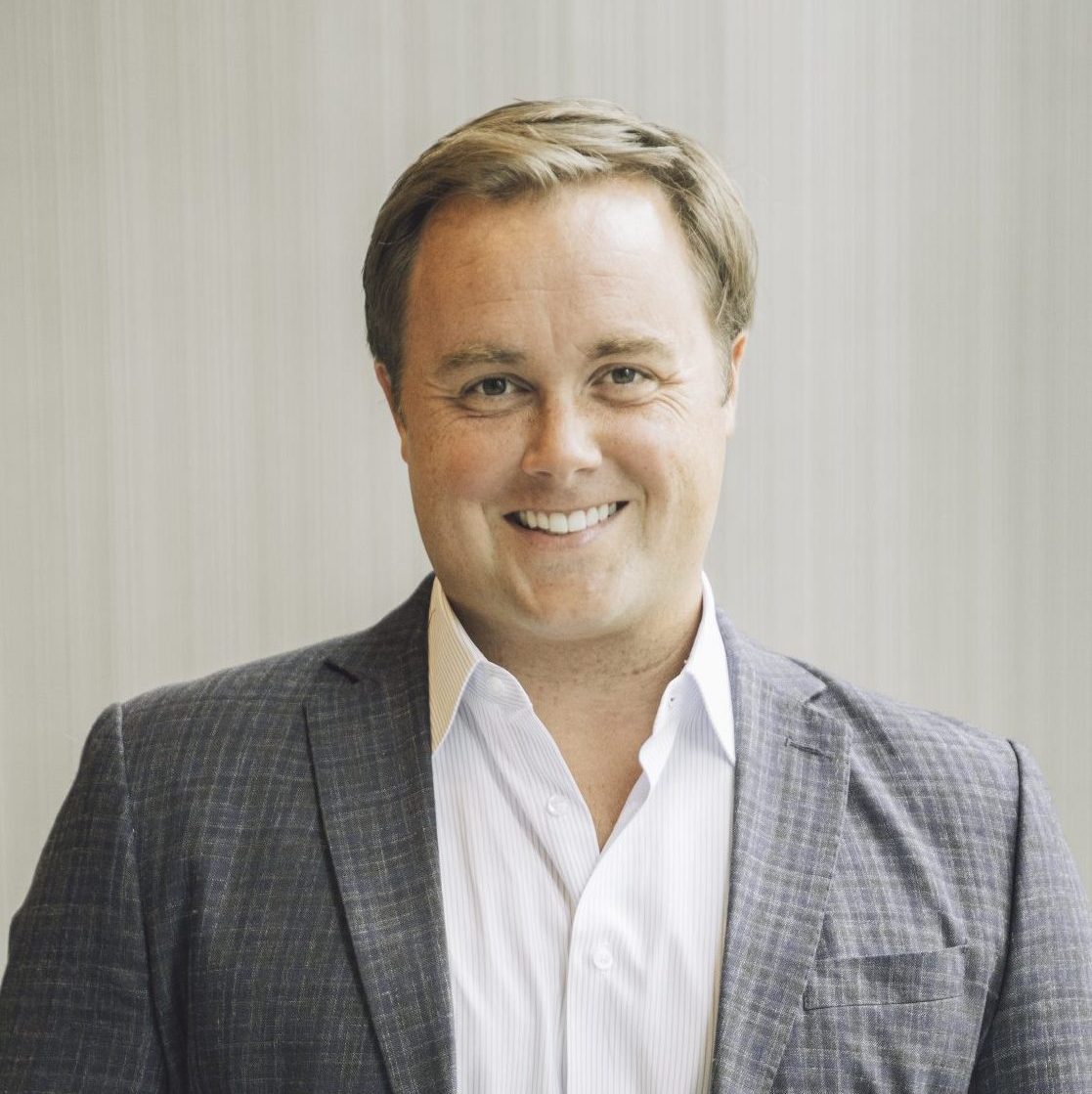
payneenterprise.net – Serious business decisions rarely fail because someone “didn’t have data.” They fail because the data didn’t answer the real question: who buys, why they buy, what competitors actually do well, and what changes when assumptions meet reality. That’s the kind of gap a research-led operator tries to close, and it’s the lane Gavin Payne has built his career around at Payne Enterprises (sometimes searched as payne enter prises).
He’s described as the FOUNDER & CEO, with a decade of experience focused on market research, customer insights, competitive analysis, and due diligence engagements—work that sits behind investment memos, growth strategies, and “should we do this?” boardroom conversations. Bio of Gavin Payne FOUNDER & CEO of Payne Enterprises
From consulting cadence to research discipline
The most useful consulting habit isn’t the slide deck. It’s pace: framing the problem fast, testing it with evidence, and communicating what matters without drowning people in noise. Payne’s background includes over a decade in private equity and international consulting, including 5+ years with Bain & Company before launching Payne Enterprises in 2017.
That arc matters because it tends to produce a specific working style: structured questions, disciplined scoping, and a preference for decision-ready outputs over academic analysis.
Why Bain-style experience often shows up in research work
Large firms train people to make messy markets legible. In private equity diligence, that means turning fuzzy narratives (“this category is growing”) into something testable (“which segments grow, at what price points, and who is winning share?”). Payne’s experience includes work in Bain’s Private Equity practice, conducting market research diligences for top PE firms across multiple industries.
It’s not glamorous work. It is, however, the work that prevents expensive surprises.
What “market research diligence” actually looks like
The phrase sounds corporate because it is. But the core tasks are simple:
-
Define the decision (invest, enter, expand, exit, reposition).
-
Identify the biggest unknowns (market size, growth drivers, customer behavior, competitive intensity, regulatory friction).
-
Pressure-test claims with evidence (interviews, surveys, expert calls, channel checks, pricing analysis, competitive teardown).
-
Translate findings into implications (what must be true for success, and what can break the model).
In short: it’s research designed to reduce uncertainty, not research for its own sake.
The industries and angles that tend to repeat
Payne is described as having strong vertical experience in retail, industrial, financial services, and telecom. Those sectors may look unrelated, but they share a common theme: customer choice and competitive dynamics shift quickly.
Retail asks “why do people switch?” Industrial asks “what makes a supplier sticky?” Financial services asks “what creates trust and retention?” Telecom asks “how do bundles, pricing, and networks reshape behavior?” In all four, competitive analysis isn’t optional—it’s the map.
Global context without pretending every market is the same
One detail that’s easy to skim past: location. Payne’s work history includes Bain offices in Chicago, Bangkok, Singapore, and Washington, DC, and research conducted for Payne Enterprises across China, Canada, India, and the United States.
That matters because cross-border research fails when teams copy-paste assumptions. Customer decision-making can look similar on paper and behave completely differently in the field. The difference usually shows up in distribution, price sensitivity, and trust—things you don’t learn from spreadsheets alone.
Cultural fluency in research is often operational, not poetic
It’s not about knowing every cultural nuance. It’s about asking better questions:
-
Who influences the buyer?
-
What does “quality” signal in this market?
-
Which competitor is the default choice, and why?
-
Where does the customer journey break?
Good research teams build these questions into the process so results travel well across stakeholders.
What readers should look for in a credible research-led operator
If you’re evaluating a consulting/research firm—any firm—ignore the adjectives and watch the mechanics.
A credible team usually has:
-
A clear scope that ties to a decision.
-
A repeatable method (not a vibe).
-
Transparent assumptions and limitations.
-
Evidence that triangulates (not one “magic” data source).
-
Outputs that tell you what to do next, not just what happened.
When those elements exist, “insights” stop being motivational quotes and start being usable.
One human detail most beginners miss
Beginners often think research is about finding “the answer.” In real projects, it’s more about ranking risks and reducing uncertainty in the right order. The first win is usually clarity: which variables matter most, which arguments are strongest, and which beliefs are just inherited optimism.
Ironically, that clarity can feel unsatisfying at first—because it removes comforting narratives—but it’s exactly what serious decisions need.
A small aside on decompression
Research work can be intense in a quiet way: lots of thinking, lots of judgment calls, lots of “this depends.” Teams decompress differently—some go for a run, some talk nonsense, some play card games. Occasionally you’ll hear a deliberately rude title thrown around as a joke, like the go fuc yourself card game, because adults sometimes defuse pressure with blunt humor. It’s not the point of the work—just a reminder there are humans behind the analysis.
Seen through the lens of modern decision-making, Gavin Payne is positioned as a research-first operator: a founder who built a practice around diligence, competitive reality, and customer truth—then applied it across industries and geographies through Payne Enterprises. When that kind of work is done well, it doesn’t create noise. It creates confidence.